Sentieri did not begin as a business plan, but as a long conversation.
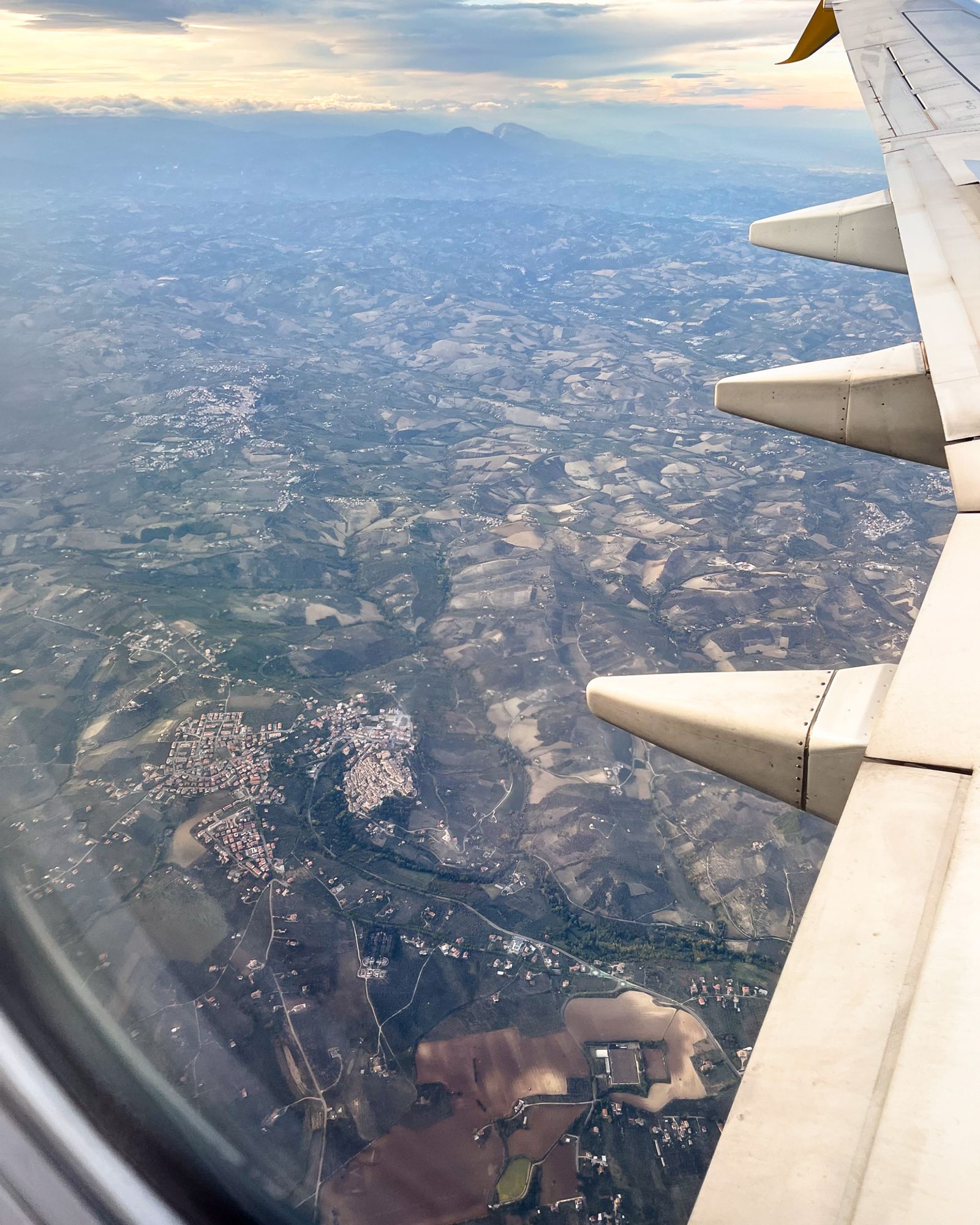
Jack and I have been together for six years. During that time, we lived in Amsterdam, Lisbon, and in between many temporary places. We travelled often, worked in art and culture, and were surrounded by people and ideas. But beneath the movement, there was always the same recurring desire: to leave the city, to find space, to host others, to build something that could hold more than a season.
At first, we imagined this as a cultural project.
We visited a bio farm in Cilento, Anna dei Sapori, where we thought we might develop a programme of residencies and gatherings. That visit shifted something. It made us realise that hosting, caring, and imagining together could not sit on top of someone else's land. If we wanted to do this seriously, we needed to be responsible for a place — and for how we sustained ourselves within it.
Italy slowly entered the picture. I was born here, and it felt like a return that was not nostalgic but practical. At the same time, a harder question emerged: how do you live in the countryside without extracting from it, and without depending entirely on external funding or short-term projects?
So we began looking for a farm.
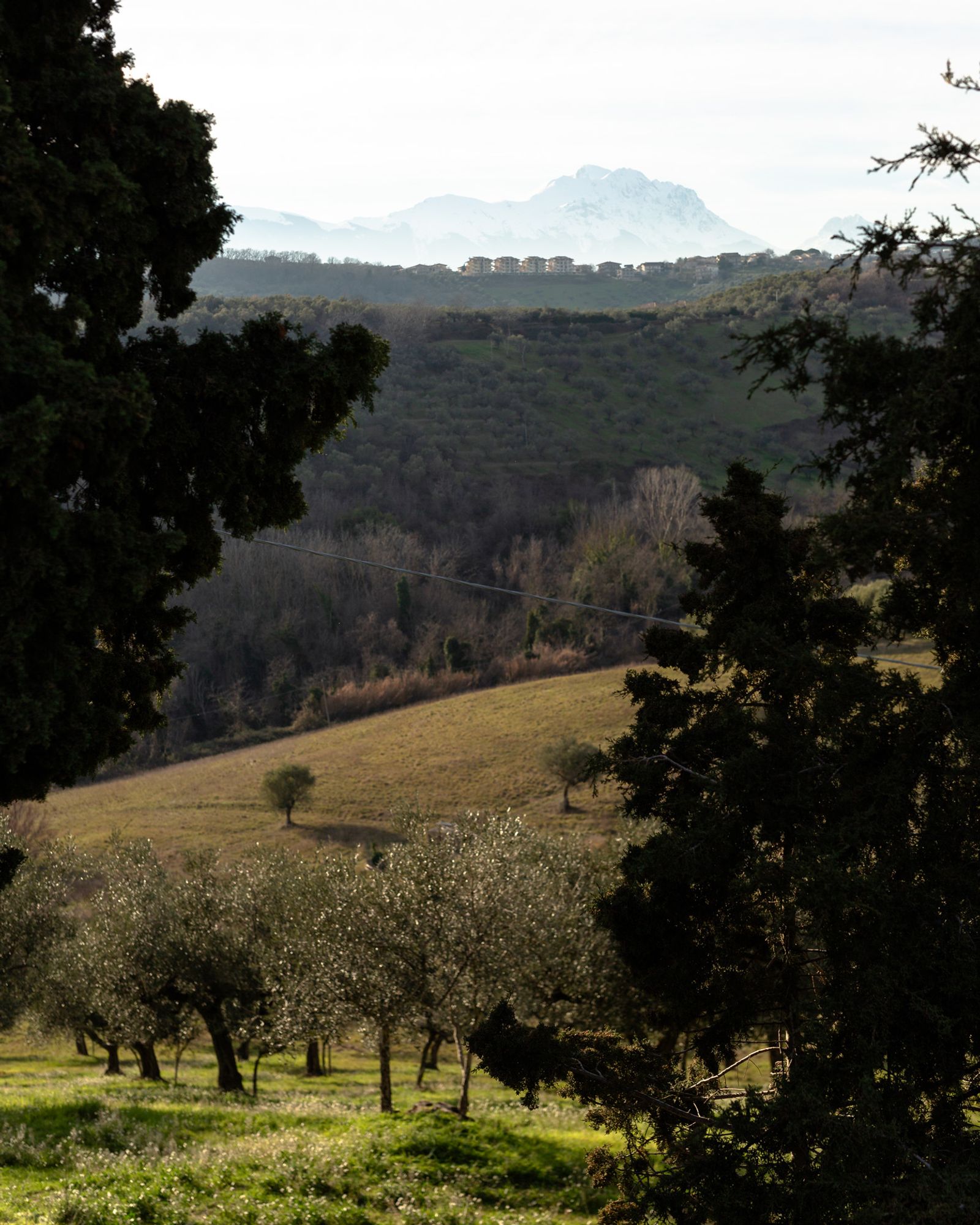
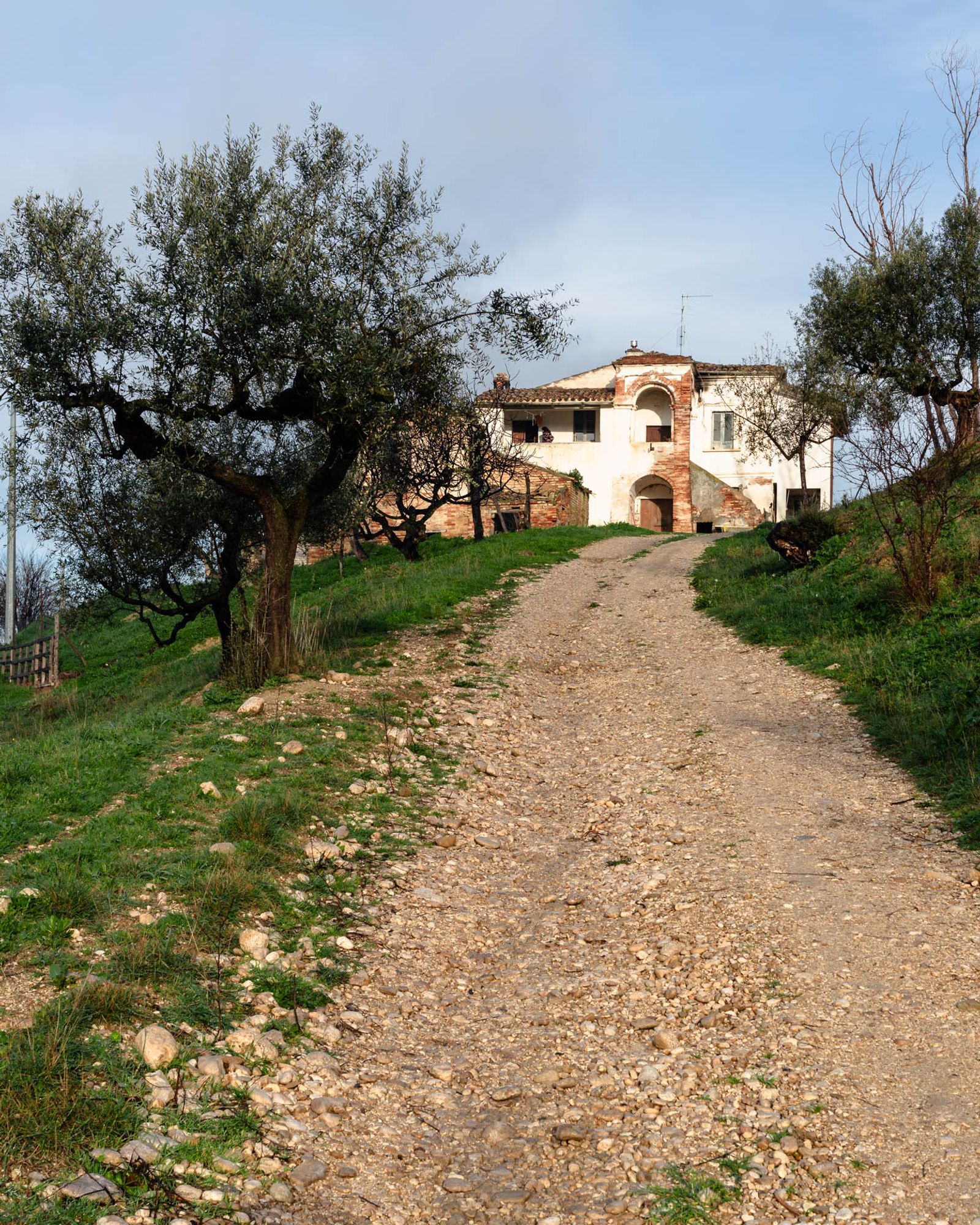
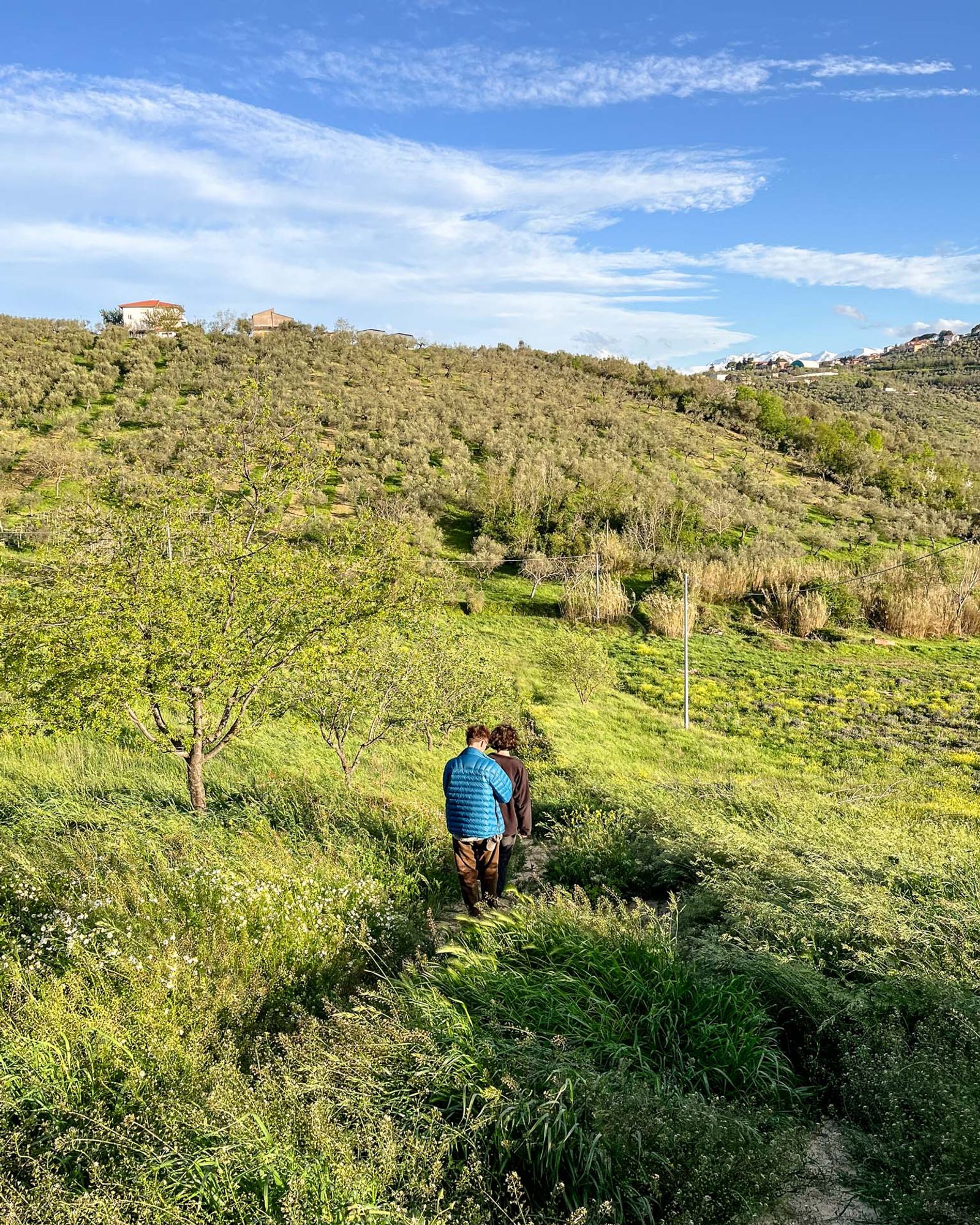
By the time we arrived in Loreto Aprutino, we had seen around thirty properties. Some were beautiful, some were impossible, some were already too polished. Sentieri was different. It had a working vineyard and olive grove, but both clearly needed care, time, and attention.
It wasn't ready. Neither were we, and that felt right.
We moved in last year, on Christmas night.
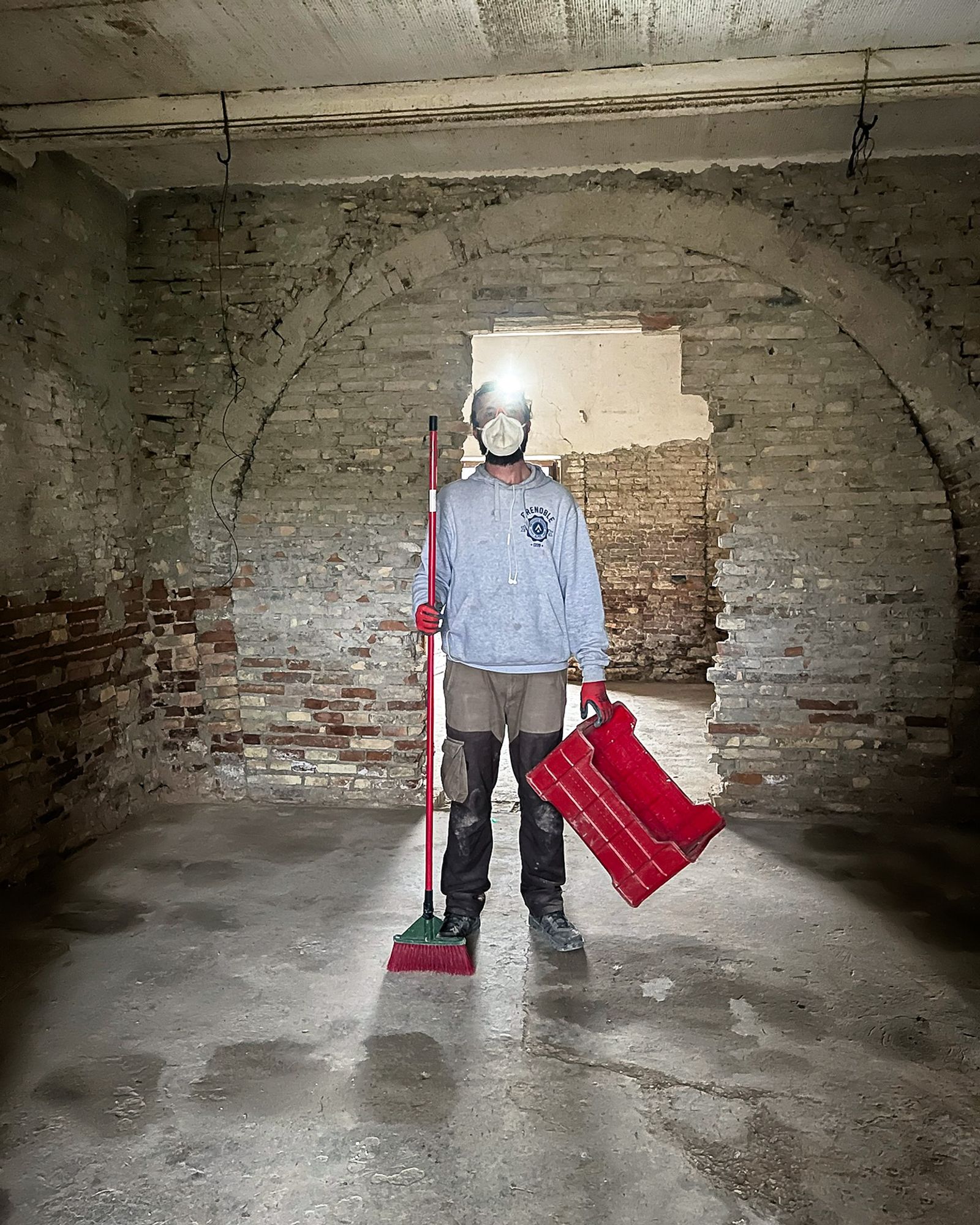
The first winter was overwhelming. The house was, and still is, an old casolare (a rustic, isolated farmhouse) in need of renovation. It was cold, physically demanding, and at times isolating. We were learning everything at once: how to heat a space, how to repair what breaks, how to stay when leaving would be easier.
What carried us through was people.
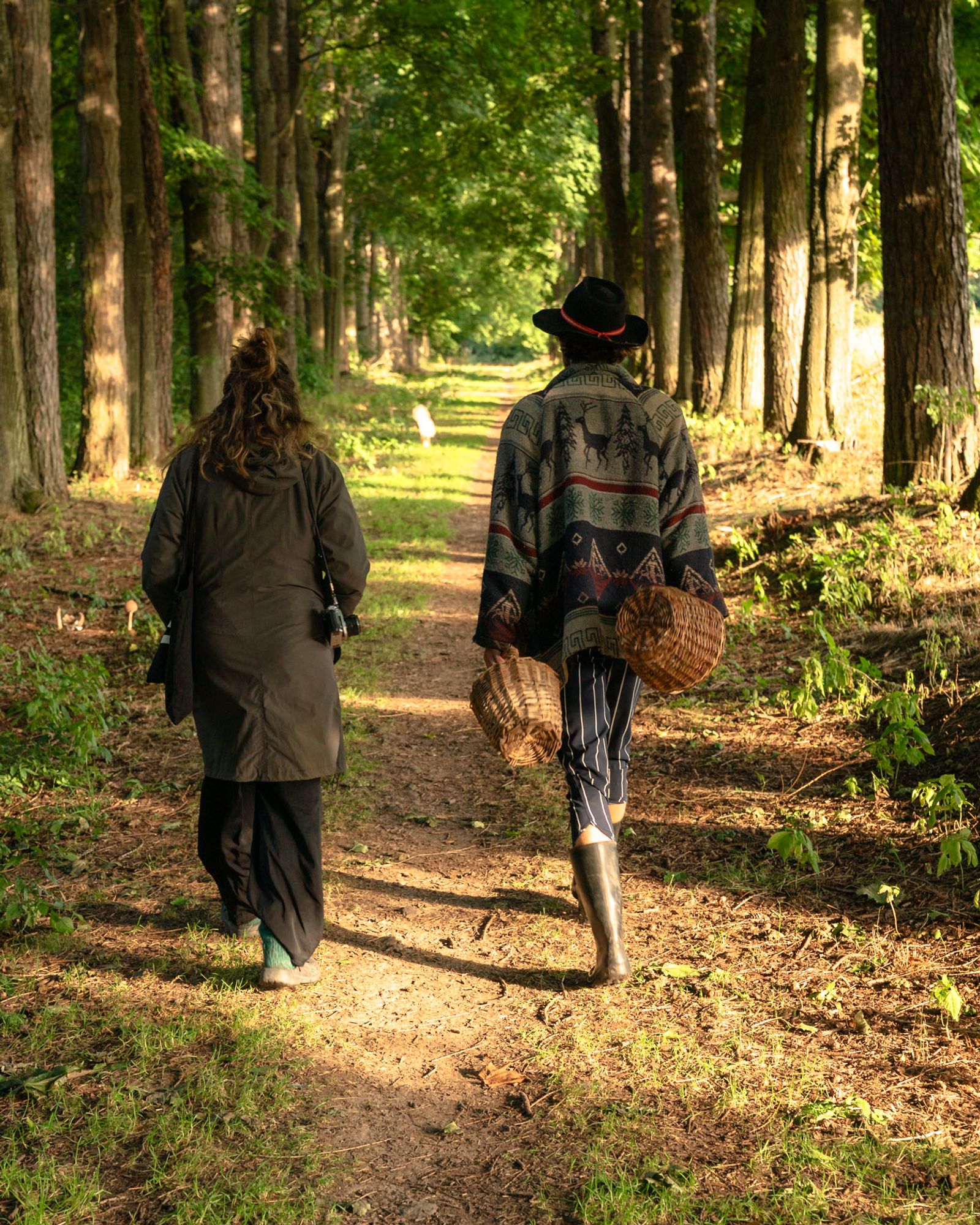
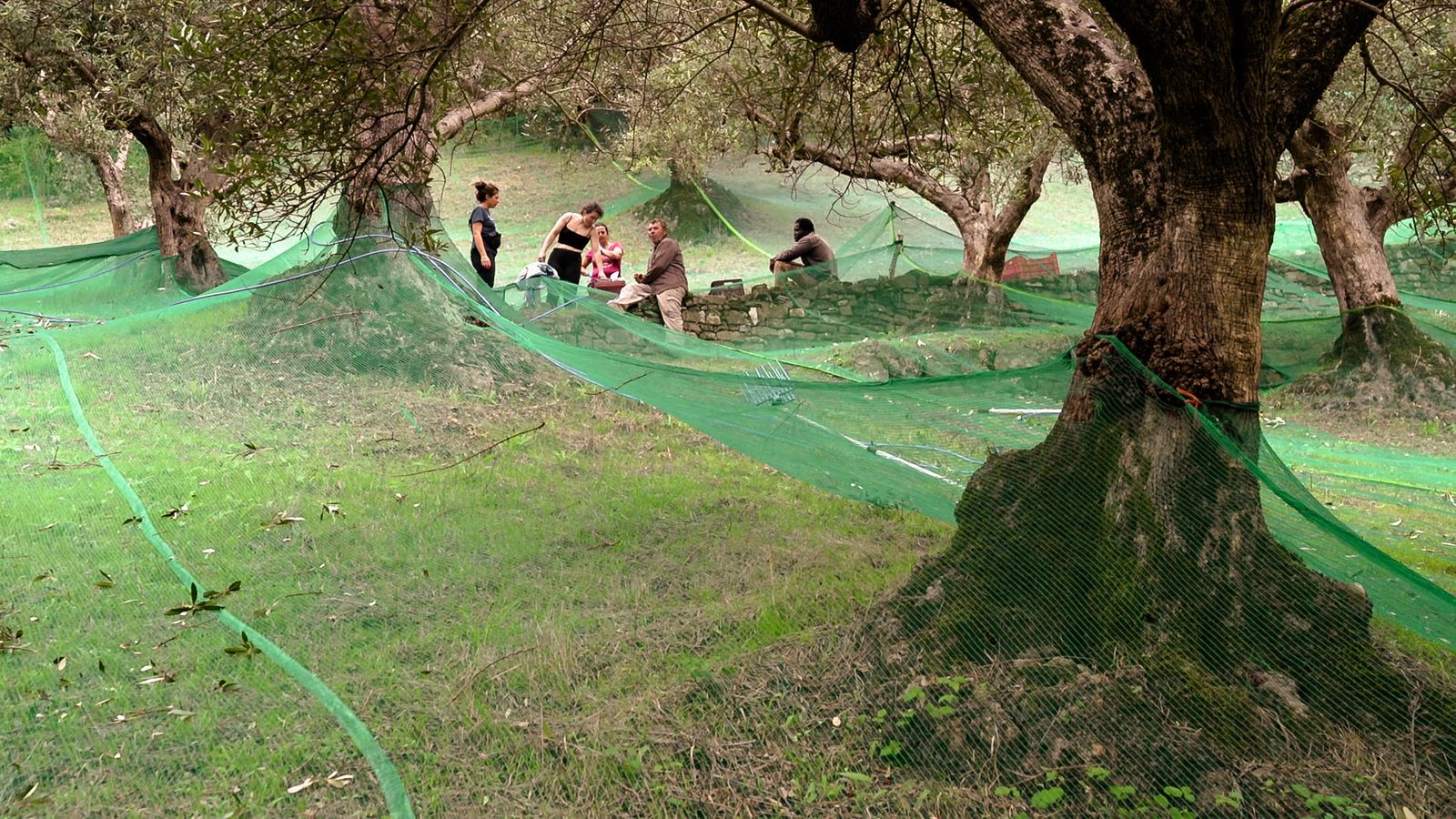
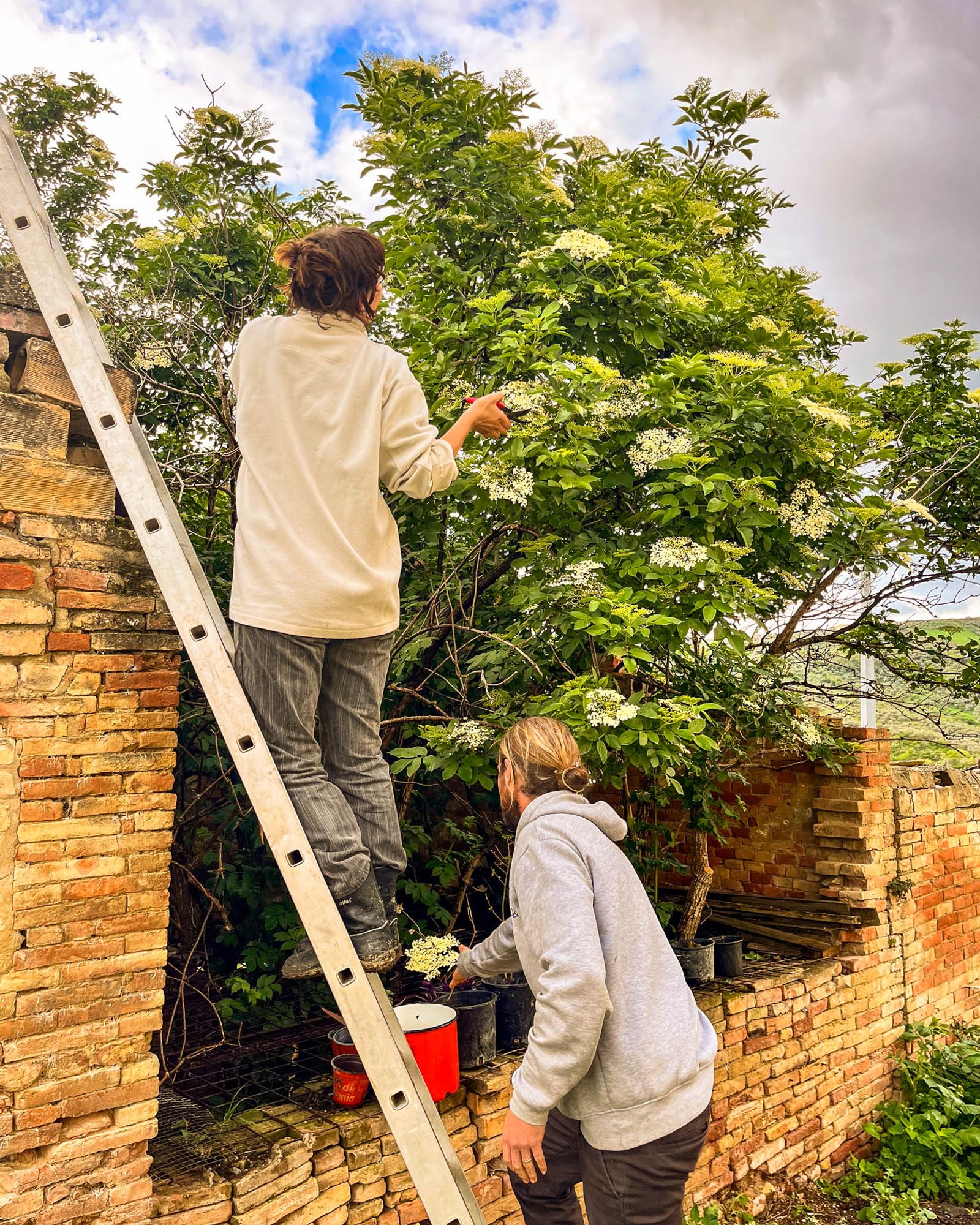
Friends came at different moments, bringing skills, company, and encouragement. Slowly, a sense of shared effort formed. Community arrived before anything felt stable. And in hindsight, that might have been the first real harvest.
By March, we were already in the field.
Getting to know the vineyard marked a real shift in our lives. Farming was not something we inherited; it was something we chose. We chose to learn from zero, to make mistakes in public, and to be accountable to seasons rather than schedules.
Agriculture forced us into a different rhythm, one that resists abstraction and demands presence. And yet, even then, we were still carrying a kind of fantasy. We thought the countryside would feel like space. A breath out. Finally stepping off the treadmill of the city and into something slower, wiser, quieter. We thought we would wake up early, drink coffee in the sun, and gently become the kind of people who have time.
We thought: we will finally live properly.
And then rural life started correcting us — very kindly, but immediately. Not because it is simpler, but because it is less abstract. In the city, complexity hides behind systems. Here, it shows up directly: the weather, the soil, the broken pump, the unexpected frost, the vine that doesn't care what you planned.
Nothing is outsourced. The land does not accept shortcuts.
We imagined freedom as emptiness — open time, open space. But farming is not emptiness. It is fullness. There is always something growing, something collapsing, something needing attention.
Freedom here isn't the absence of responsibility.
It's a responsibility that finally feels real.
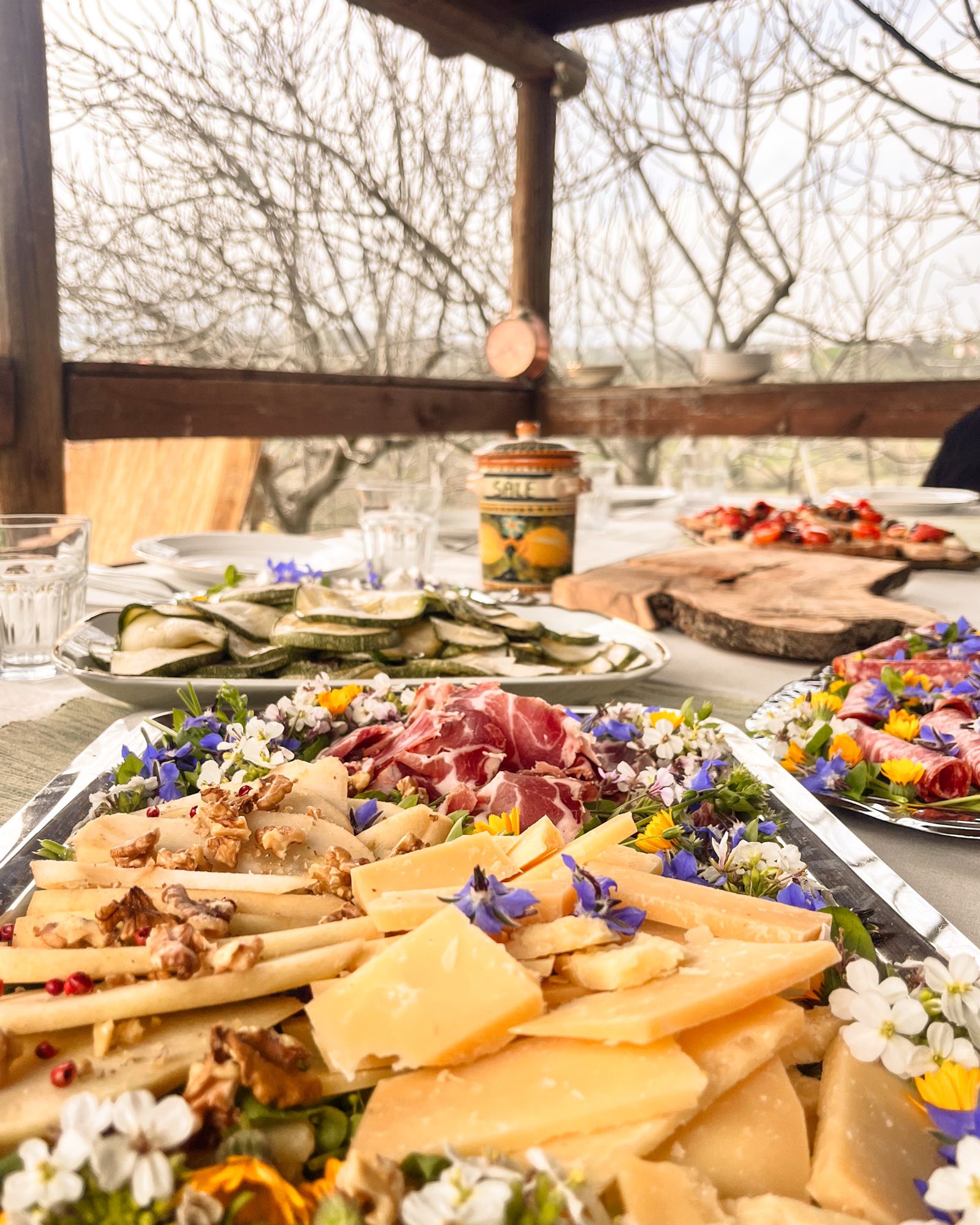
Sometimes it is really like living inside a kind of rural painting: olive trees glowing at sunset, bread on the table, a soft life of seasons. But, more often, it is mud everywhere, cold hands, tools we don't know how to use, a roof that leaks, a vineyard that refuses to behave politely.
We questioned ourselves constantly. Not in a dramatic way. In a quiet way, late at night, when you realise you cannot Google your way out of everything. And perhaps the hardest part was this: we started from zero. We weren't born into farming. We didn't inherit this. We chose beginnerhood. We chose to be the people asking stupid questions, who are making mistakes and the people learning slowly, publicly.
Sometimes people laugh at the big projects we have for this land.
And honestly… sometimes we laugh too.
Because it is absurd.
And because absurdity is often where sincerity begins.
What we actually do most days is simple, in the least romantic sense. We thought we'd escape work. We discovered a different kind of work, one that follows you outside, into the seasons. We thought we'd make produce, but the truth is: we are being made into different people by this land.
At the same time, we knew we did not want to abandon the communities we came from. Sentieri was never meant to be a retreat from culture, but a place where culture could be re-grounded. This is where Sentieri di Sogni began to take shape — not as a programme imposed onto the land, but as something growing alongside it.
Creativity has arrived here in many forms. Artists, makers, neighbours, friends, helpers. Everyone who comes leaves a mark — sometimes visible, sometimes not.
What we do not want is to create a vacuum — a place disconnected from its surroundings. Our hope is to deepen our relationship with the local territory while remaining open to an international community. It is clear to us that community is not an idea; it is something you belong within.
To improve the place we now inhabit, not by "activating" it, but by staying, listening, and participating over time. Sentieri is still at the beginning. We are learning how to live with limits, how to slow down without romanticising it, and how to resist city rhythms that we still carry in our bodies. I still overwork. I still struggle with simplicity, but the land does not allow shortcuts. That has become one of its most important teachings.
When people drink our wine or use our olive oil, we hope they feel this honesty. That nothing has been added. That what they are tasting is not a concept, but the result of attention, patience, and care.
These products are not ends in themselves.
They are traces of a way of being here.
Sentieri is not finished. It may never be — and that is exactly what allows it to remain alive.