Before Sentieri became a concrete project, my artistic practice was already asking: how do we learn to belong to a landscape without reducing it to an image, a resource, or a backdrop?
This audio walk was created for an exhibition in Amsterdam, bringing a piece of Sentieri over there. It was meant to investigate how much of a place we can carry within and how much can be transposed onto another place. It guides the listener through small shifts in perception: footsteps, edges, atmospheres, the feeling of being inside a place rather than simply passing through it.
This piece was one of the first pieces of research that took place on this land, and it reflects one of the core interests we cultivate here at Sentieri: cultural practices that retrain attention and open new relationships with land, memory, and ecology.
Below you can listen to the audio and read the full script.
Intro
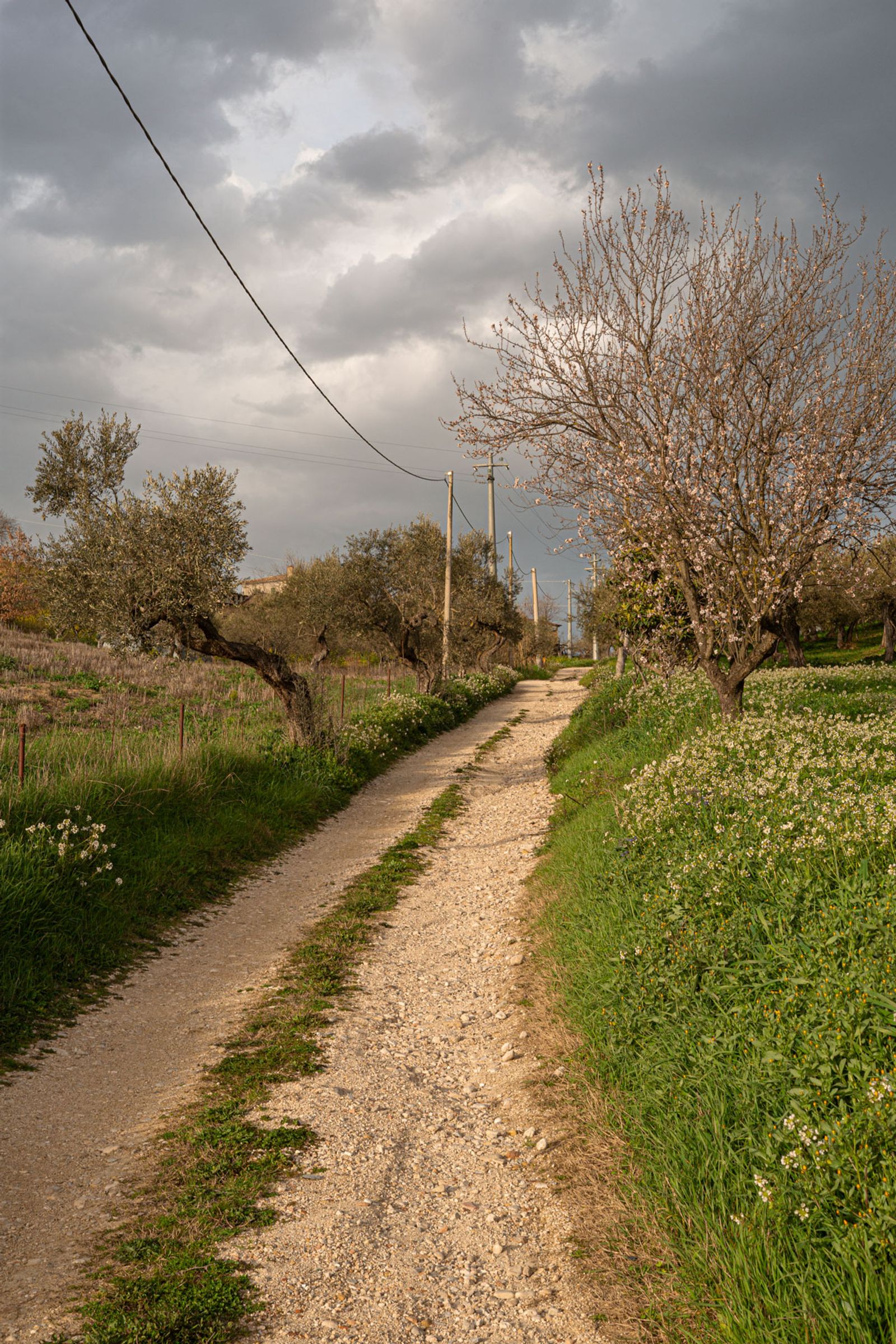
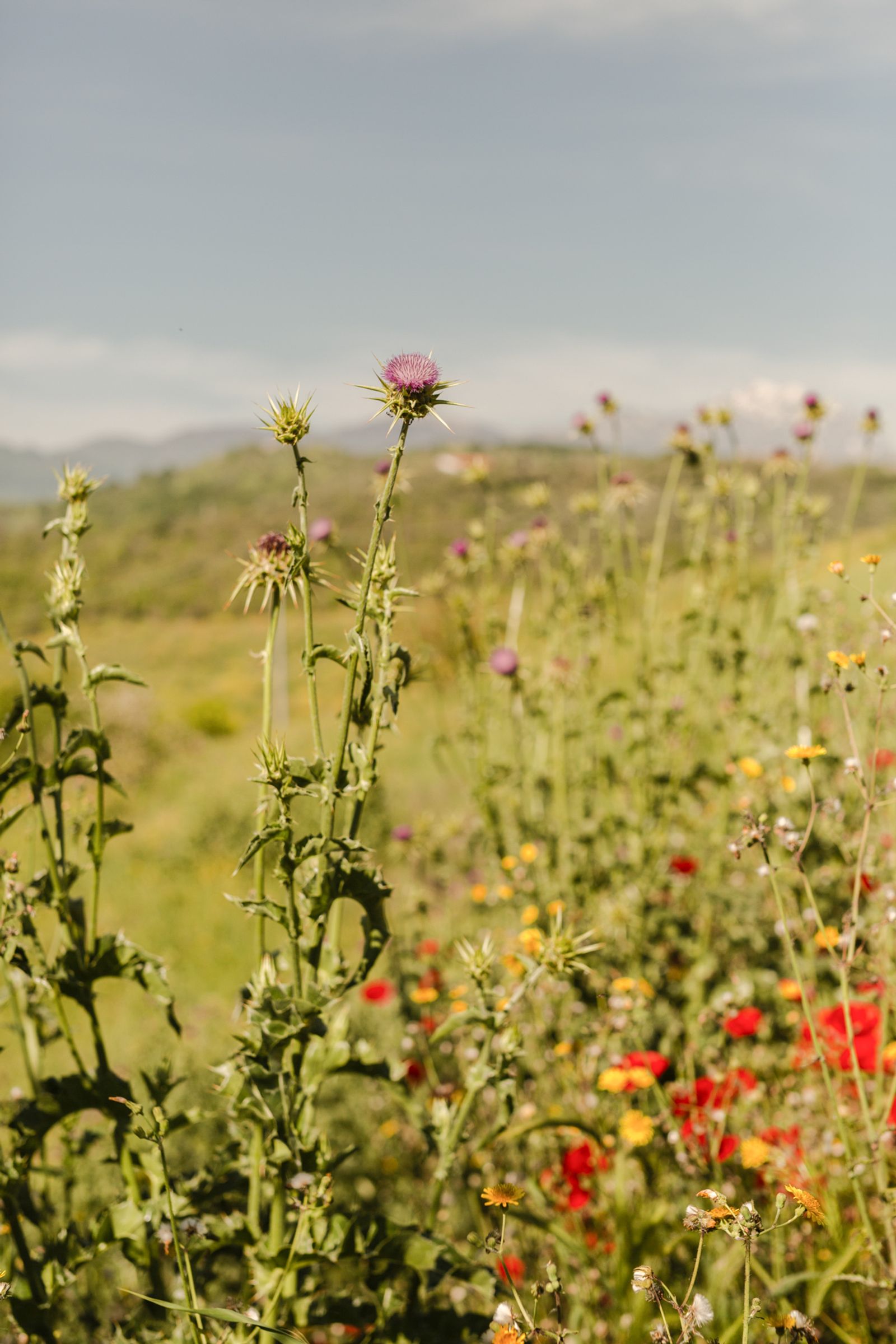
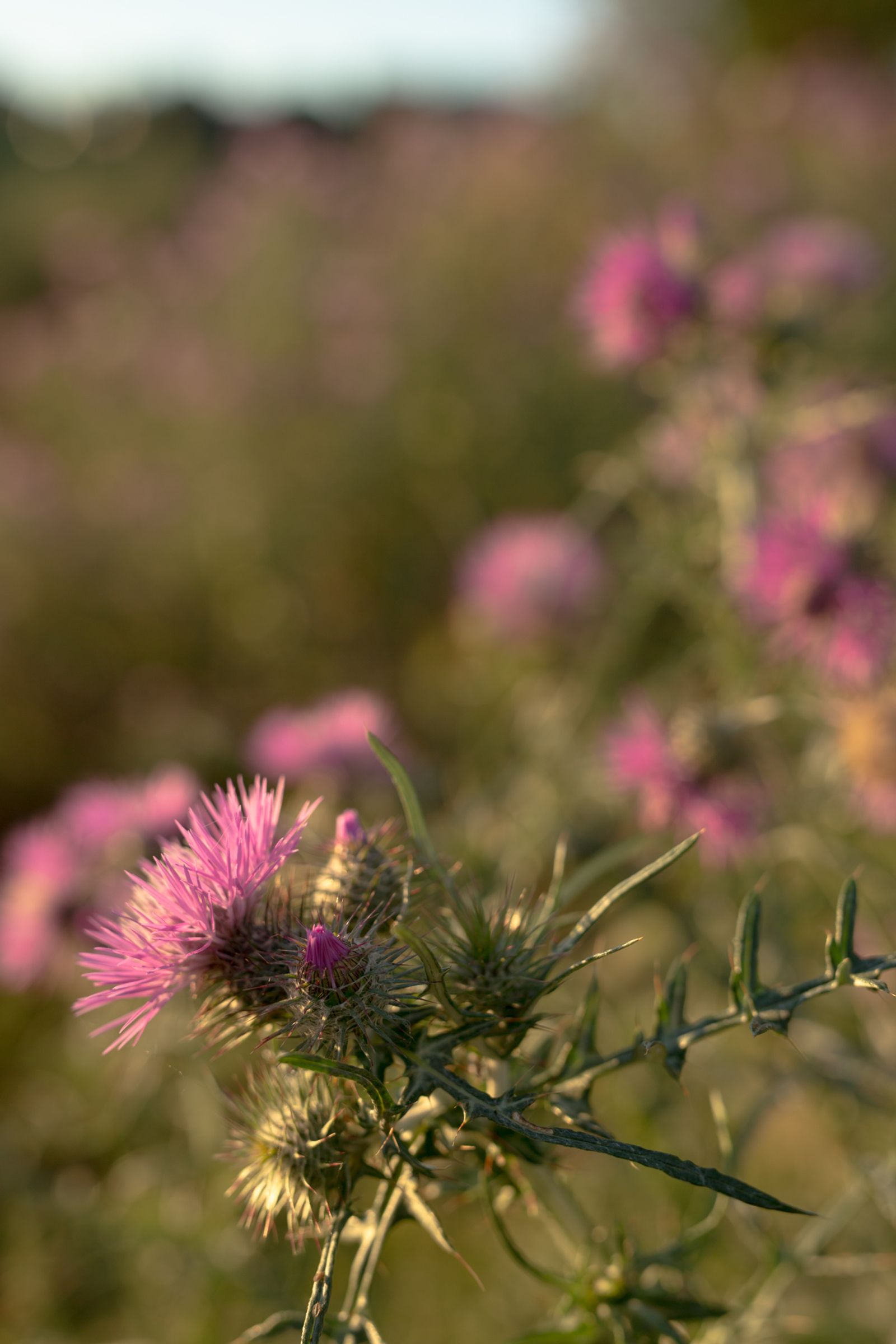
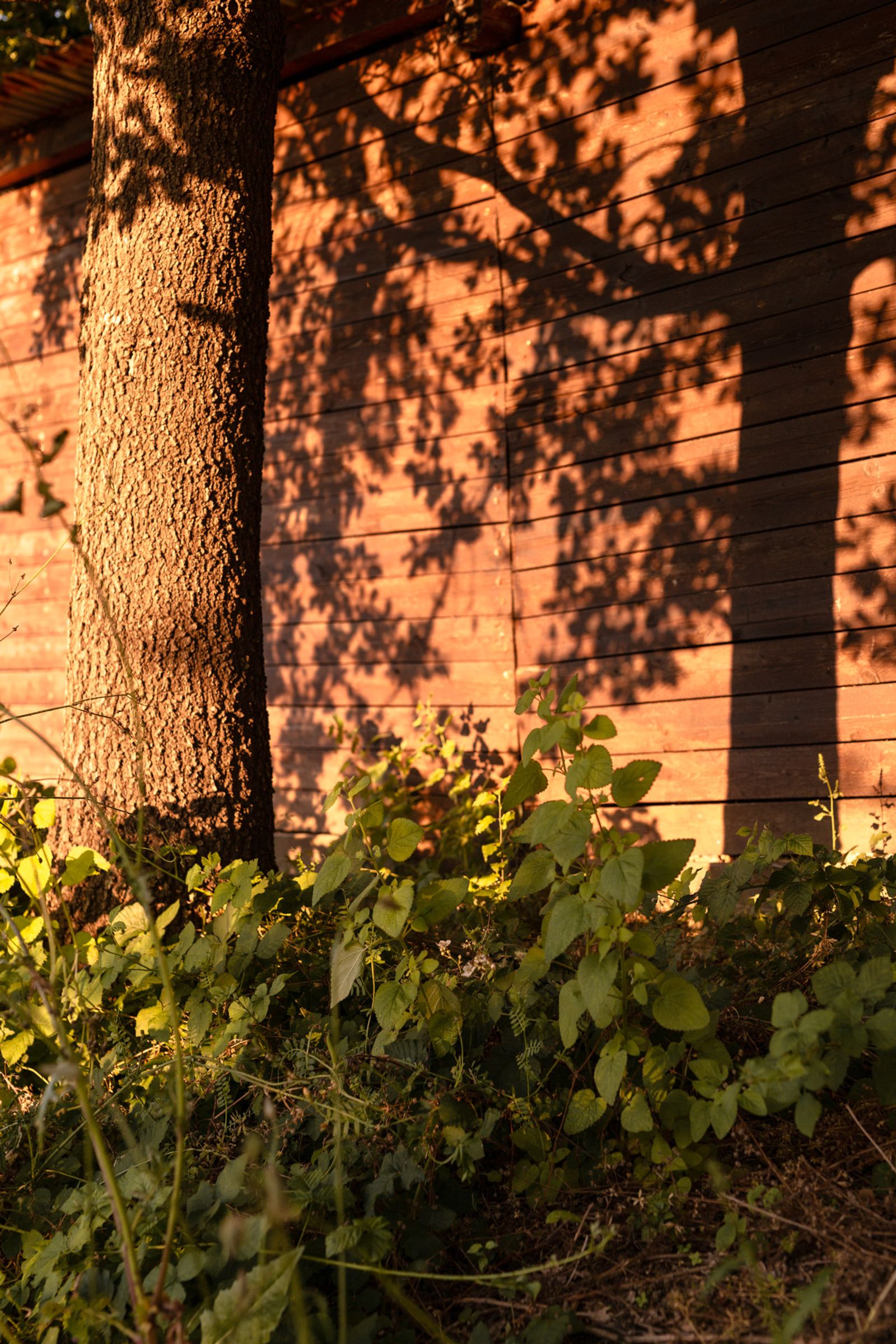
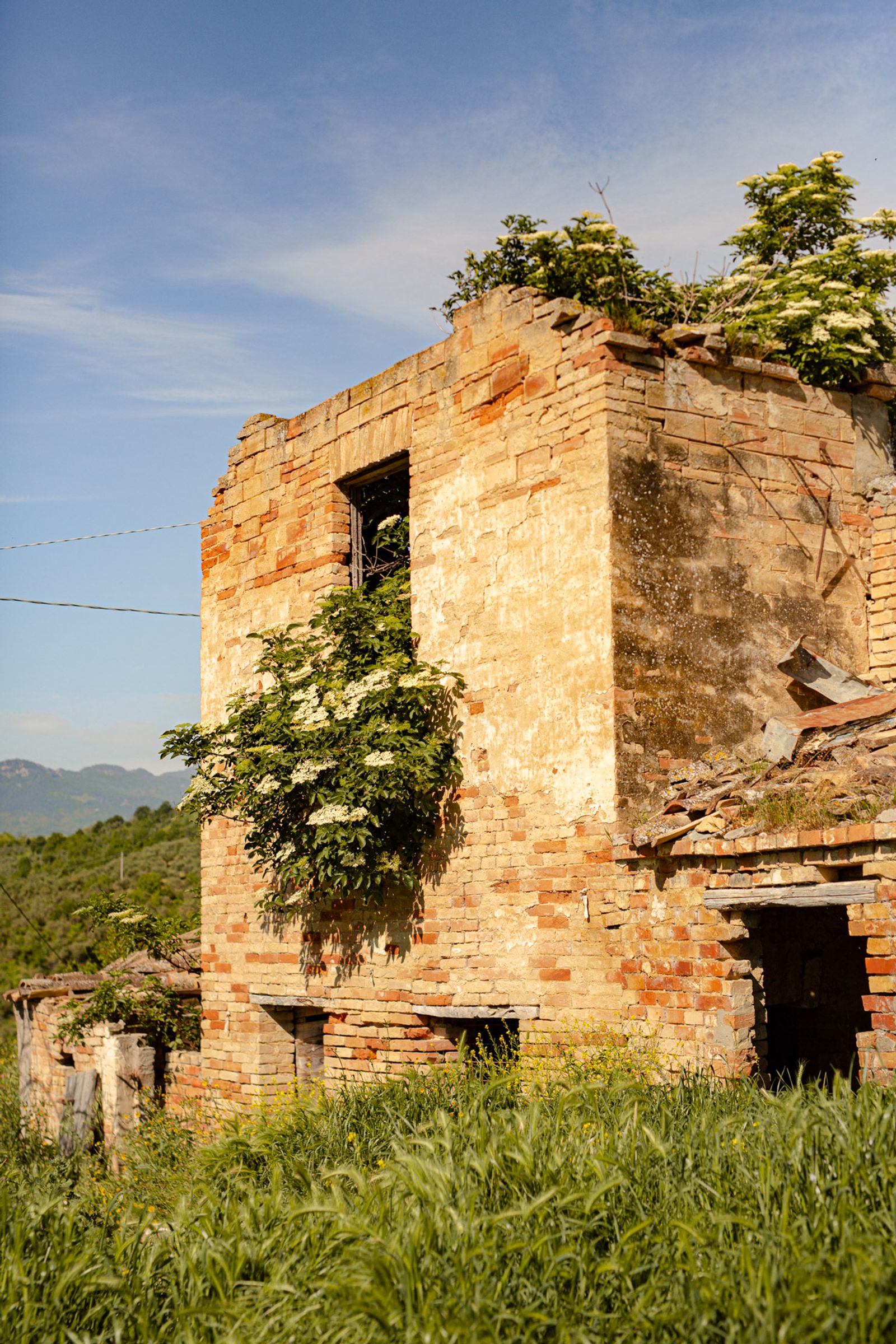
Thank you for joining this walk. You're holding a piece of another place, three images from the site of my research, a hill in Loreto Aprutino, a town close to the Apennines in Italy,
There dry grasses lean like old storytellers
and the cracked clay soils remember centuries of footsteps.
Invitation
I invite you to begin walking with me there—and here, in Amsterdam, this exhibition, your day, this spring.
Take this walk as an open-ended inquiry into the geography of the places we cross, even you are made up of geographical coordinates that shape the grounds walk while they shape you
Images you carry
The images you carry are fragments from that landscape. But they are not just from there—they speak to here, too. What does it mean to bring one place into another? What stories do they tell, when they meet? Think of these images as clues to a place you've never been, but somehow already know.
Walk Begins
This walk begins here—in this neighbourhood, where this research first took shape. It was here, near this space in Amsterdam, where I first walked and asked:
Can walking make a place feel more like a 'we'?
That question followed me to Loreto, where I walked this time as a newcomer.
In both places, the question remains open, still unfolding.
Space as Story
We begin at the bottom of the gravel driveway. Let your feet settle into a pace. Walk as if each step leaves a soft impression on the page of an unfinished book.
As you walk, let images unfold past your eyes,
Imagine you are rewriting this part of the city. As you are passing, you're composing.
Now let me tell you a story
Now let me tell you a story as you continue to step along.
To your right, the giant thistle, more thorn than flower. It stands like a guardian of wilderness. Feral and fierce
The thistle was never invited. She arrived unannounced at the edge of the pathway. All spikes and stubborn green, she stood her ground through summers that cracked the clay.
People passed her by. Some called her ugly, some an inconvenient weed, and some cursed her prickles when she clung to their socks as they walked.
But the thistle knew her place.
In the patience of droughts, she shaded the soil. Her roots held the earth when rain came too fast. When no one noticed, she hosted dozens of bees who whispered to her the most secret wisdom.
One morning, a child walking alone saw her glowing violet in the golden light. The child stopped, bent low, and said, "You look like a queen."
The thistle did not reply. But that spring, she returned—taller.
As you continue to walk, focus on a crack in the pavement, a stone or an architectural detail, something that insists on being seen. What if that object were to talk?
I invite you to note down your thoughts on the back of one of your images
Walking as Inquiry
In Loreto, I walked with people, games and with the land. As I asked some of my walking companions, I now ask you to join me for a game of archaeological excavations. As you continue to move across space, see if you can collect one or more things that catch your attention.
Go on, pick them up — it can be anything, organic or inorganic.
Maybe you ended up with more than one thing, and you feel like arranging them somewhere, take a pause.
There you have your artefact
Think of this object in relation to space you are right now, how did it look 100 years ago? Yesterday? This winter?
And your object — what time does it belong to?
What purpose could it serve?
Take one the images and on the back draw your artefact in whatever way you can.
A shape. A line. A texture. A note.
Now imagine this artefact has never been seen before.
Give it a name—
not what it is, but what it feels like. Note it down
As you walk, keep it in mind.
The Rural and the Imagined
Coming from the city, I arrived in Loreto carrying assumptions like luggage—about the rural, about my place as an artist there, about the appearance of stillness
Its temporality isn't slower; it's cyclical.
Its politics not absent, but sedimented—layered in land use, migration, weather, tradition.
Take another one of your images. Hold it in your hand.
Now, look around you.
Overlay the two landscapes—the one you're in, and the one you're carrying.
Let one talk to the other.
Hold the printed image next to the scene. If you can, take a photo!
Guidebooking
Imagine the first map of this place was drawn by someone who had no paper.
She walked with pockets full of dry seeds and a ribbon of clay trailing from her boots.
Each time the wind brushed her hair, she made a turn.
Each time a bird sang twice, she stopped to listen.
By the end of her walk, the map was not a line on a page,
but a memory cramped into the folds of her coat,
a rhythm carried in her feet.
Here, today in this space—this space of making, of gathering, of assembling parts into something whole—you hold your own page. A blank sheet.
Take a moment.
Think back to three points from your walk—
Not where you went, but where something caught you.
A shift in sound.
A stranger's gesture.
A thought that stayed behind like a footprint.
Mark them down.
Draw, write, list, sketch, scribble. Let it be intuitive.
This is your map. A fragment of place—not just where you were,
Thank you for walking.
You've been part of a small act of place-making—not just through the streets of this neighbourhood, but across distance and imagination.
This walk wasn't only about movement. It was about listening. About tuning your senses toward what is often overlooked. These are the anecdotal edges where meaning lives. They don't shout, but they endure.
In my research, I explore how walking becomes a method. A way of knowing that begins in the body, that trusts attention, that follows intuition like a thread across time. It's not just about going somewhere. It's about how you arrive. What you notice. What you carry forward.
When we walk, we move through more than space—we move through stories.
The stories are what make a place. They root us. They connect us. They shift the way we see.
In Loreto Aprutino, I walk to understand a landscape in transformation—a farm becoming a site of regeneration, me, a newcomer, becoming a part of a place. In Amsterdam, I walked to ask: can shared steps bring people closer? Today, those questions are met here.
Walking as research matters because it allows us to slow down, to resist pre-determined narratives. It teaches us that knowledge can begin with feeling. That places are not fixed—they are made in relation.
And that maybe, in walking, we are making something too: a future that listens better. A space that holds more voices.
So thank you—for your steps, for your noticing, for placing a place with me today.
You're invited to return to the exhibition space and leave a mark—an image, a sentence, a scrap of a map.